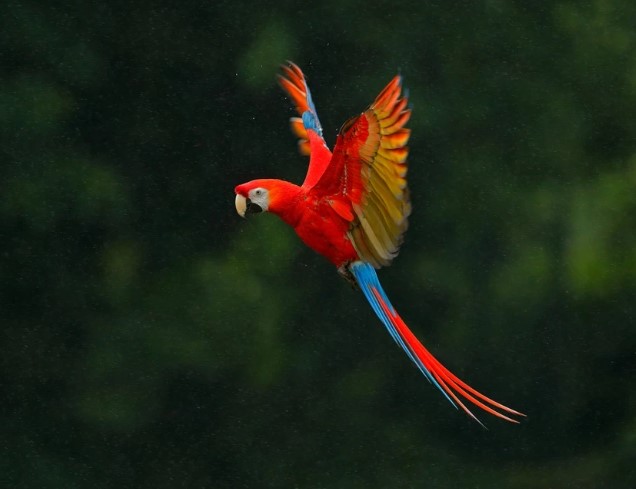
 Vibrantly colored scarlet macaws appear at hundreds of archaeological sites in the U.S. Southwest and Mexican Northwest. This talk examines how, over more than 1,000 years, their acquisition, circulation, and deposition forged meaningful cultural, spiritual, and social ties with pre-Hispanic Indigenous communities.
Although not native to the region, vibrantly colored scarlet macaws (Ara macao) have been encountered at hundreds of archaeological sites within the U.S. Southwest and Mexican Northwest. This talk explores how—through their acquisition, circulation, and deposition over a period of more than 1,000 years—these birds developed significant relationships with pre-Hispanic Indigenous communities in the U.S. Southwest and Mexican Northwest that have led to their incorporation into artistic traditions, ceremonies and dances, clan systems, and oral histories, including communities at ancestral O’odham Phoenix Basin sites such as S’edav Va’aki. Additionally, this talk will explore the reasons for procuring these multifaceted and challenging birds, their significance in processes of placemaking and widespread social transformations, and their continued significance to descendant communities in this region.
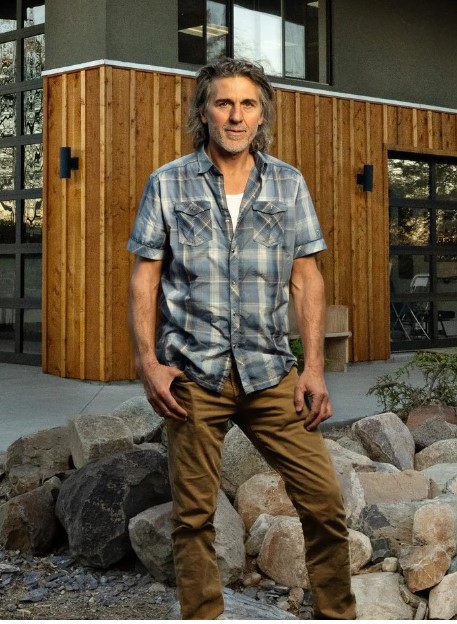
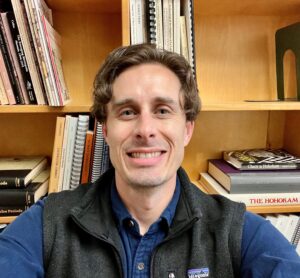 Christopher Schwartz is the City of Phoenix Archaeologist, works at S’edav Va’aki Museum, and holds a Visiting Faculty appointment at Arizona State University. He received his Ph.D. from Arizona State University in 2020, and his dissertation examined the origins and significance of non-local scarlet macaws, the transformative local impacts their acquisition had on the lives of past people living in the U.S. Southwest and Mexican Northwest, as well as their continued significance to contemporary Native American communities. He is the lead editor of Birds of the Sun, a University of Arizona Press volume that explores similar topics by drawing together interdisciplinary perspectives to examine the significance of non-local scarlet macaws to past and present Indigenous communities ranging from the Mesoamerica to the U.S. Southwest and Mexican Northwest