Healthy Aging Is About More Than Diet and Exercise
For years, healthy aging has come with familiar advice: eat nutritious foods, stay physically active, and keep up with preventive health care. Those habits remain essential, but today's research shows they're only part of what helps people live longer, healthier, and more fulfilling lives.
Experts now recognize that social connection, lifelong learning, community engagement, and a strong sense of purpose are equally important components of healthy aging. In fact, many public health organizations are shifting their focus from simply extending life expectancy to improving health span—the number of years people remain healthy, independent, and actively engaged in their communities.
According to the National Institute on Aging, healthy aging is influenced by physical health, cognitive health, emotional well-being, and opportunities to remain socially connected. Research has found that chronic loneliness and social isolation increase the risk of heart disease, depression, cognitive decline, and dementia, while meaningful relationships improve resilience and overall quality of life.
That's why community matters.
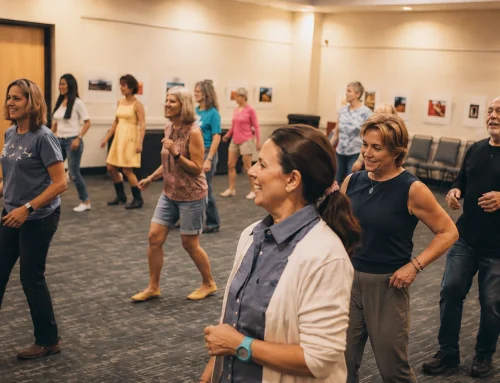
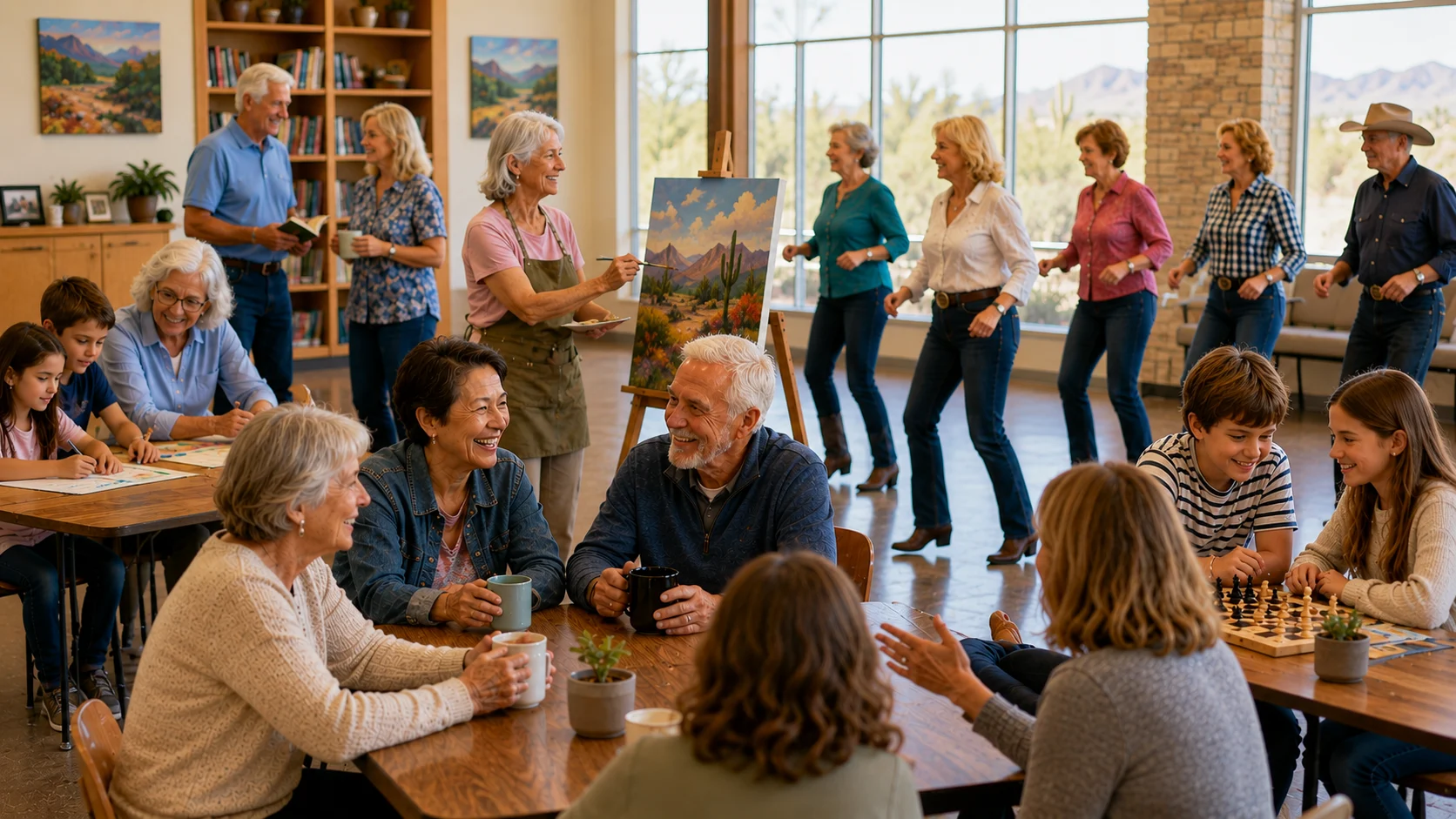
Whether it's attending a lecture, joining a book discussion, taking an art class, volunteering, learning a new technology, or simply sharing conversation over coffee, these experiences strengthen social connections while supporting brain health and emotional wellness. Lifelong learning challenges the mind, encourages curiosity, and helps build cognitive resilience at every age.
Communities that intentionally create opportunities for intergenerational relationships, volunteerism, civic participation, and continuing education are doing more than offering activities—they are building healthier, more connected populations. These age-friendly environments help reduce social isolation, promote independence, and foster the sense of belonging that experts increasingly recognize as a key social determinant of health.
At The Holland Center, these principles are woven into the fabric of community life. Every class, lecture, volunteer opportunity, and social gathering creates another chance for neighbors to connect, discover new interests, and build meaningful relationships. Those moments may seem simple, but together they contribute to something much larger: healthier people, stronger communities, and improved quality of life.
The new rules of healthy aging don't replace diet and exercise—they complete the picture. Eat well. Stay active. But also invest in friendships, lifelong learning, and community. Because aging well isn't simply about adding years to life—it's about adding connection, purpose, and vitality to every one of those years.
Sources: National Institute on Aging; U.S. Surgeon General's Advisory on Our Epidemic of Loneliness and Isolation; World Health Organization.