The Disappearing “Third Place”—And Why It Matters
Hhome is where we rest. Work is where we earn a living. But where do we simply belong?
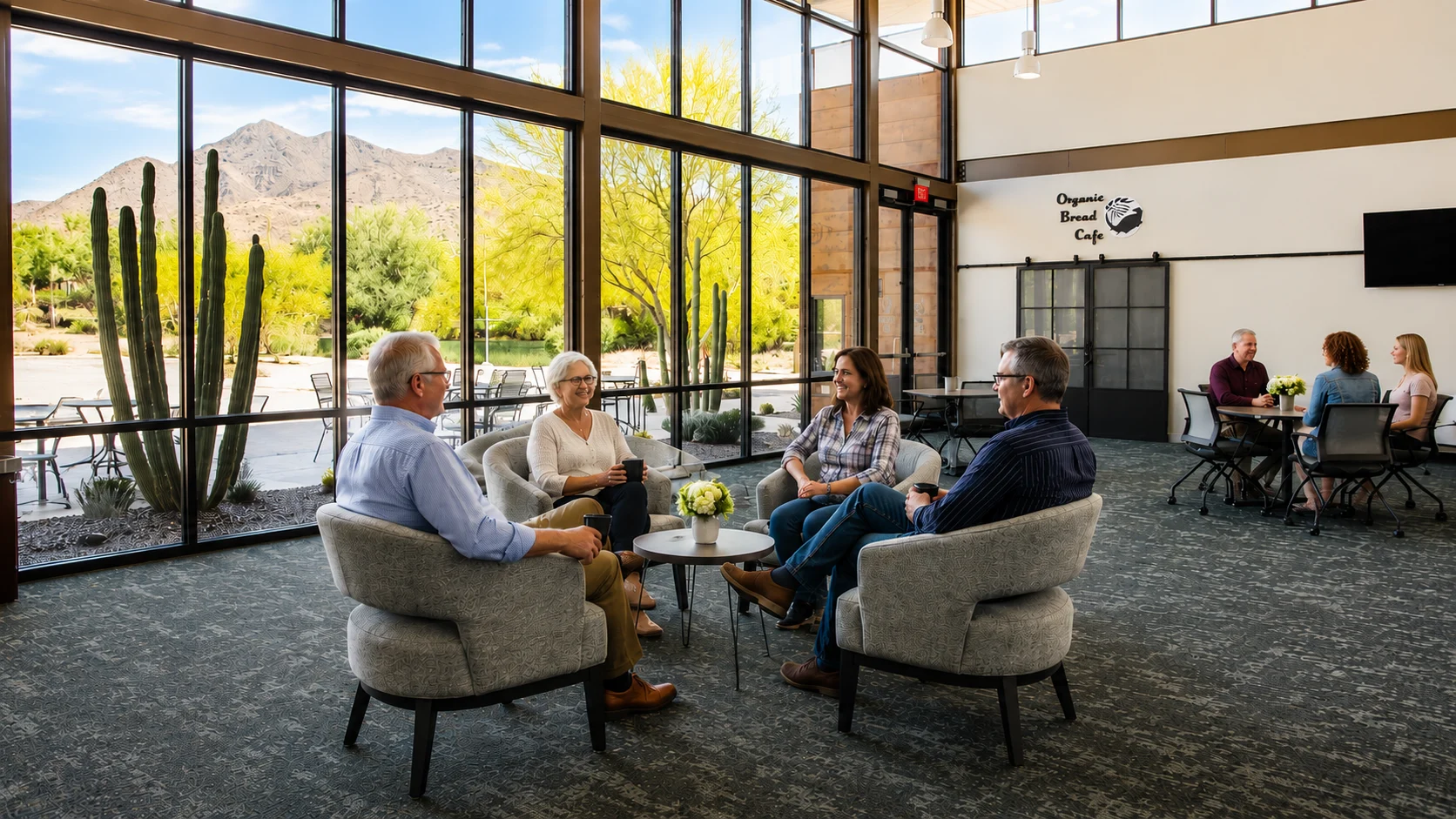
Sociologist Ray Oldenburg coined the term "third place" to describe the spaces that exist outside our homes and workplaces—places like libraries, coffee shops, community centers, parks, faith communities, and neighborhood gathering spots. These are the places where conversations happen naturally, friendships grow over time, and people feel connected without needing a formal invitation.
Today, many of those spaces are quietly disappearing. Rising costs, changing lifestyles, remote work, and more time spent online have all contributed to fewer opportunities for casual, face-to-face interaction. At the same time, the U.S. Surgeon General has identified loneliness and social isolation as a significant public health concern, noting that strong social connection supports both mental and physical health. Researchers are also exploring how the loss of "third places" may affect well-being, quality of life, and community resilience. (NCBI)
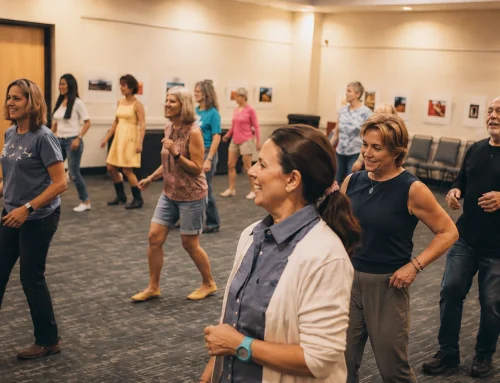
The good news? Third places don't have to be fancy. They simply need to be welcoming. A weekly art class, volunteer project, gardening club, lecture, walking group, or neighborhood gathering can become the place where familiar faces turn into friends. Those everyday interactions foster a sense of belonging that supports healthy aging, cognitive health, emotional well-being, and overall quality of life.
That idea is at the heart of The Holland Center. More than a place to attend a class, it serves as a community gathering space where people of all ages come to learn, volunteer, share experiences, and build meaningful relationships. In many ways, it's a modern-day third place—one that strengthens both individuals and the community.
As life becomes increasingly digital, perhaps the most valuable destination isn't another app or screen. It's a place where someone knows your name, asks how you're doing, and is genuinely glad you came. Sometimes, that's exactly where community begins.
Sources
- U.S. Surgeon General. Our Epidemic of Loneliness and Isolation: The Healing Effects of Social Connection and Community. (NCBI)
- Finlay JM, et al. Closure of "Third Places"? Exploring Potential Consequences for Collective Health and Wellbeing. Health & Place. 2019. (PMC)
Sources: National Institute on Aging; U.S. Surgeon General's Advisory on Our Epidemic of Loneliness and Isolation; World Health Organization.